As a licensed clinical social worker, I’ve seen firsthand how challenging Dissociative Identity Disorder (DID) can be. Dissociative Identity Disorder, characterized by two or more distinct personality states, often leads to memory gaps and a disconnection from one’s sense of self. If someone scores high on a Dissociative Identity Disorder test, it’s crucial to provide powerful interventions and essential resources to support their journey towards stability and healing. In this post, I’ll share seven powerful interventions, valuable resources, and grounding skills for managing Dissociative Identity Disorder, drawing from the latest updates by the American Psychological Association (APA) and other evidence-based sources.
Recommended Interventions for DID
1. Talk Therapy (Psychotherapy)
Talk therapy, or psychotherapy, is the cornerstone of treatment for Dissociative Identity Disorder (DID). Regular sessions with a licensed therapist specializing in trauma and dissociation help individuals understand their condition, develop coping mechanisms, and work towards integrating their different personality states into a cohesive whole.
According to the APA, psychotherapy is particularly important because it provides a safe environment where clients can explore their thoughts, feelings, and memories. For therapists working with DID clients, maintaining their own mental health is crucial for effective practice. Here are some mental health tips for therapists that can be beneficial when dealing with the complexities of DID.
Through this process, clients learn to navigate the complexities of their experiences, gradually reducing the frequency and intensity of dissociative episodes.
What are the 3 main symptoms of dissociative disorder? The three main symptoms include:
- Memory Loss (Amnesia): Significant gaps in memory for personal information or events.
- Depersonalization: Feeling detached from one’s body or thoughts, as if watching oneself from outside.
- Identity Confusion or Alteration: The presence of distinct identities or personality states.
2. Eye Movement Desensitization and Reprocessing (EMDR)
EMDR is a specialized therapy effective in treating trauma-related conditions, including DID. This approach helps individuals process and integrate traumatic memories, which are often fragmented and disjointed.
During EMDR sessions, clients recall distressing memories while the therapist directs their eye movements. This technique helps the brain reprocess the memories, reducing their emotional impact and decreasing the frequency of dissociative episodes.
What is a person with DID like? A person with this disorder may exhibit multiple identities, each with its own distinct behavior, thoughts, and emotions. These identities might have their own names, ages, and preferences. The individual may also experience memory gaps, confusion about their identity, and a sense of detachment from reality.
3. Stabilization Techniques
Stabilization is a critical phase in treating DID, focusing on developing coping skills to manage dissociation and emotional distress. The goal is to prevent overwhelming the client with traumatic memories, which could lead to a mental health crisis.
Grounding skills are essential during this phase. Techniques like deep breathing exercises, mindfulness practices, and physical grounding activities help individuals stay connected to the present moment, reducing the likelihood of excessive dissociation.
What are 5 signs of DID? Five common signs include:
- Memory Gaps: Inability to recall significant personal information.
- Multiple Personalities: Presence of distinct identities.
- Depersonalization: A sense of being detached from oneself.
- Time Loss: Losing track of time or experiencing blackouts.
- Mood Swings: Rapid shifts in mood that correspond to different identities.
4. Medication Management
While no specific medication treats DID directly, medications can support managing co-occurring symptoms such as depression, anxiety, or severe mood swings. Antidepressants, antianxiety medications, and mood stabilizers are commonly prescribed to help manage these symptoms.
Medication should be used alongside psychotherapy and other therapeutic interventions. Medication alone is insufficient to address the complexities of DID, but it can help stabilize mood and reduce distress, making other forms of therapy more effective.
5. Building a Strong Support System
A robust support system is essential for individuals living with Dissociative Identity Disorder (DID). This network may include family members, close friends, and most importantly, support groups specifically designed for people with DID. Support groups offer a safe space where individuals can share their experiences, learn from others, and receive encouragement.
These groups can be invaluable for providing resources and coping strategies tailored to the unique challenges of living with DID. For instance, Network Therapy offers a comprehensive list of support groups focused on DID and other dissociative disorders. Another resource is Multiplied By One, which is dedicated to raising awareness and offering support for individuals with DID.
Joining a support group can help reduce feelings of isolation, provide practical advice from others who understand what it’s like to live with DID, and offer a sense of community. These groups also provide an opportunity for members to discuss effective strategies for managing their symptoms, share experiences with various treatments, and offer each other emotional support.
 Essential Grounding Skills
Dissociation, a common experience for those with Dissociative Identity Disorder, can serve as a protective mechanism for the brain, allowing individuals to cope with intense emotions and memories. However, grounding skills are crucial for preventing excessive dissociation. Here are some practical grounding techniques specifically for managing Dissociative Identity Disorder:
- Deep Breathing Exercises: Encourage your client with Dissociative Identity Disorder to practice deep breathing regularly to stay connected to the present moment.
- Mindfulness: Techniques like mindful walking or eating help clients with Dissociative Identity Disorder stay grounded and aware of their surroundings.
- Physical Grounding: Suggest activities involving physical sensations, such as holding a textured object or practicing progressive muscle relaxation, to help those with Dissociative Identity Disorder remain grounded.
Recommended Resources
Books: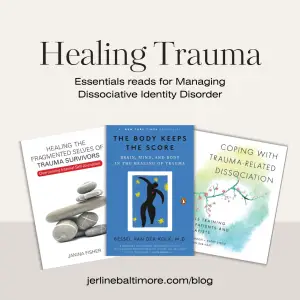
- “The Body Keeps the Score” by Bessel van der Kolk: “The Body Keeps the Score” by Bessel van der Kolk: A must-read for understanding how trauma affects the body and mind, offering evidence-based insights into effective treatments for Dissociative Identity Disorder. It is widely recognized for its evidence-based approach to trauma therapy (Goodreads).
- “Coping with Trauma-Related Dissociation” by Suzette Boon, Kathy Steele, and Onno van der Hart: A practical guide for managing dissociation related to Dissociative Identity Disorder, providing strategies for both clients and therapists (Goodreads).
- Healing the Fragmented Selves of Trauma Survivors: Overcoming Internal Self-Alienation” by Janina Fisher: Offers innovative techniques for overcoming internal self-alienation caused by trauma, particularly useful for those with Dissociative Identity Disorder.(Goodreads).
Podcasts:

- Therapist Uncensored: Conversations about attachment, trauma, and neuroscience, offering insights into mental health and Dissociative Identity Disorder.
- Trauma Therapist Podcast: Interviews with experts in trauma-informed care, including discussions on Dissociative Identity Disorder.
- The Dissociative Identity Disorder (DID) Podcast: Personal experiences and expert interviews focused on Dissociative Identity Disorder awareness and support.
Articles and Guidelines:
- The International Society for the Study of Trauma and Dissociation (ISSTD) Guidelines: Comprehensive treatment guidelines for adult Dissociative Identity Disorder.
- American Psychological Association (APA) Resources: Articles and resources for understanding and treating Dissociative Identity Disorder.
Meeting and Understanding Different Personality States
Understanding and engaging with the different personality states of a client with Dissociative Identity Disorder is crucial for effective treatment. Therapists should focus on symptom reduction and integration, helping clients with Dissociative Identity Disorder recognize and communicate with their various parts. Building trust and creating a safe environment are key to allowing all personality states in those with Dissociative Identity Disorder to express themselves.
Conclusion
Dissociative Identity Disorder requires a comprehensive and empathetic approach. By combining talk therapy, EMDR, and stabilization techniques, individuals with Dissociative Identity Disorder can achieve stability and manage their condition effectively. Grounding skills and valuable resources, such as books and guidelines, are essential tools in this journey. Remember, dissociation is a natural coping mechanism, and with the right support, individuals with Dissociative Identity Disorder can lead fulfilling lives.