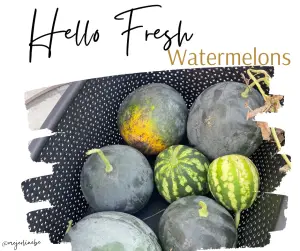
Growing watermelons at home is a rewarding experience that brings immense satisfaction and offers a bounty of nutritional benefits. Whether you’re a seasoned gardener or a beginner, cultivating your own watermelons is a journey worth taking.
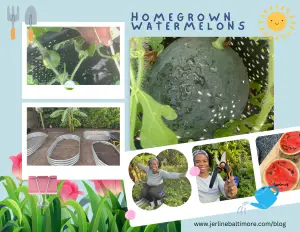
The Joy of Growing Watermelons
There’s something incredibly satisfying about watching your watermelon vines flourish. From the first sprouts to the sprawling vines and the eventual fruit, the process of growing watermelons is a labor of love. The anticipation of harvesting a juicy, sweet watermelon is a joy in itself. Plus, gardening can be a relaxing and therapeutic activity, providing a wonderful opportunity to connect with nature.

Nutritional Benefits of Watermelons
Watermelons are not only delicious but also packed with essential nutrients. They are a rich source of vitamins A and C, which are crucial for maintaining healthy skin and boosting your immune system. Watermelons also contain antioxidants like lycopene, which can help reduce the risk of chronic diseases. Additionally, the high water content in watermelons helps keep you hydrated, making it a perfect summer fruit.
Tips for Growing Watermelons
Choose the Right Variety: For zones 9-10, consider growing varieties like Crimson Sweet and Sugar Baby. Crimson Sweet produces large, juicy watermelons with a deep red flesh, while Sugar Baby is known for its small, sweet, and compact fruits, ideal for smaller gardens.
Prepare the Soil: Ensure the soil is well-drained and rich in organic matter. Amending the soil with compost will enhance its fertility.
Planting: Plant the seeds in a sunny spot, spaced appropriately to allow the vines to spread. In zones 9-10, you can start planting in early spring after the last frost. Space Crimson Sweet plants about 6-8 feet apart and Sugar Baby plants about 3-4 feet apart.
Fertilize Regularly: Watermelons are heavy feeders. Use fish fertilizer and worm castings to provide necessary nutrients throughout the growing season. Apply a balanced fertilizer at planting and switch to a high-phosphorus fertilizer once the vines start to flower.
Watering: Watermelons need consistent watering, especially during the fruiting stage. In zones 9-10, ensure they receive about 1-2 inches of water per week. Water deeply to encourage deep root growth but avoid waterlogging the soil.
Harvesting: Know when to harvest your watermelons by checking the tendrils and the ground spot. For Crimson Sweet, look for a creamy yellow ground spot and a drying tendril near the fruit’s stem. Sugar Baby watermelons are ready to harvest when the tendril opposite the fruit turns brown and the ground spot turns yellow.
Conclusion
Growing your own watermelons is a fulfilling endeavor that rewards you with fresh, nutrient-packed fruit. The process not only enriches your diet but also offers a sense of achievement and connection to nature. So why not start your watermelon garden today and experience the satisfaction and health benefits it brings?